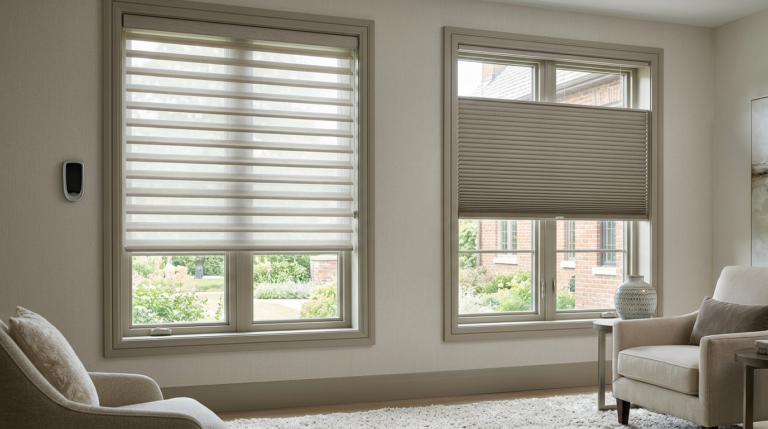
Learning how to choose the right window coverings for your home begins with evaluating your daily privacy preferences, seasonal climate demands, and window casing depths. Exploring curated window coverings tailored to each space ensures you achieve optimal daylight diffusion alongside superior thermal performance. The design team at Custom Shades of London guides you through every step, matching custom fabrics and certified cordless or smart systems to your unique interior architecture.
Overview
Selecting suitable treatments requires evaluating light exposure, architectural casing depth, and fabric insulation across varying seasons. Homeowners often ask practical questions such as whether cellular fabrics insulate drafty glass better than composite shutters, or how to maintain street privacy without losing natural daylight. This review outlines how to choose the right window coverings for your home by comparing core product categories, seasonal performance factors, and installation specifications.
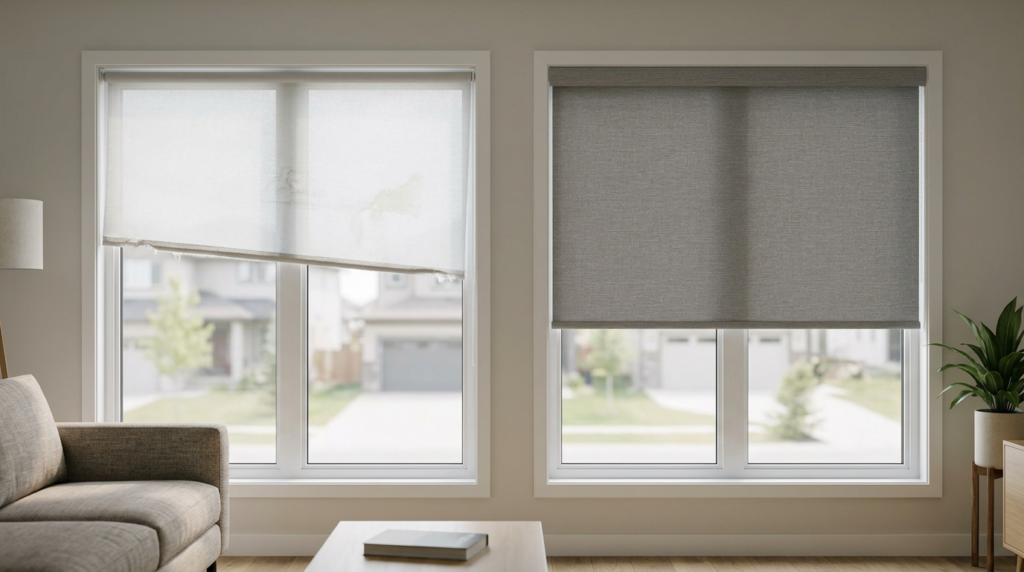
Each section below focuses on a distinct step in the design and planning process. The breakdown includes a labeled real-world hypothetical examining common window layout challenges, with a direct look forward to the Real-World Example section for practical context.
- Room Function: Identify daily requirements by assessing privacy and light control room by room.
- Product Types: Compare core categories by evaluating blinds, shades, and shutters side by side.
- Thermal Performance: Review insulating capabilities suited for winter and summer temperatures across regional weather swings.
- Real-World Example: Walk through a residential scenario inside a Wortley Village living room renovation.
- Mounting Specs: Determine fit tolerances by measuring frame depths accurately before ordering treatments.
- Safety and Controls: Examine cordless mechanisms alongside motorized operation choices for modern households.
Southwestern Ontario homes experience severe seasonal temperature shifts, swinging from freezing winter drafts to intense summer solar gain that drives up air conditioning costs. Knowing how to choose the right window coverings for your home requires matching materials to the exact light exposure, privacy needs, and thermal demands of each distinct living space.
Solid architectural shutters, adjustable horizontal blinds, cellular shades, and lined drapery panels all handle daylight and room insulation differently. Selecting the right combination involves measuring casing depths accurately, choosing suitable fabric opacities, and picking mounting hardware that fits your trim profile.
Matching Treatment Types to Light and Privacy Demands
Daily daylight patterns dictate which window treatments best serve individual rooms across a home. Evaluating whether an interior zone requires daytime glare reduction, complete evening seclusion, or thermal dampening helps homeowners narrow down product categories before looking at colours and fabrics. While rigid architectural installations offer angled louvers for street-level sightline protection, fabric assemblies provide continuous coverage that moderates interior illumination and softens room noise.
Rigid Architectural Systems
Blinds and solid shutters create versatile light control by allowing occupants to tilt internal louvers without exposing the full interior. Solid shutters mount directly inside or around the window casing, serving as stable structural additions. Tilting shutter louvers upward directs harsh midday sun toward the ceiling while blocking direct views from passing street traffic, an effective approach for front-facing rooms and ground-floor dining spaces. Slatted systems like Aria Fabric blinds incorporate woven textures into classic louver profiles, delivering light adjustment with a softer surface finish.
Textile and Layered Assemblies
Continuous fabric systems excel where complete coverage, heat retention, or diffuse illumination take priority. For wide patio doorways or sliding glass expanses, Vertical Shades glide across tracks horizontally to prevent doorway interference while covering large glass spans. In bedrooms and private living areas, pairing sheer materials with lined drapery panels gives occupants the flexibility to switch between filtered daylight and dense privacy as evening approaches.
| Treatment Category | Primary Light Control Mechanism | Best Functional Placement |
|---|---|---|
| Solid Shutters | Tilting wood or composite louvers | Street-facing ground floors and formal dining rooms |
| Slatted Blinds | Tilting and raising horizontal slats | Offices and utility spaces requiring directional glare control |
| Continuous Fabric Shades | Lifting or rolling single-panel textiles | Bedrooms, nurseries, and rooms needing draft dampening |
| Traversing Drapery | Drawing fabric panels along dedicated hardware | Living areas and bedrooms needing sound softening and darkening |
We work with homeowners at Custom Shades of London to evaluate fabric opacities, take precise casing measurements, and align hardware choices with the structural needs of each room.
Primary Categories for Household Window Treatments
Selecting durable finishes begins with evaluating how natural daylight enters each living area and what practical demands your family encounters throughout changing seasons. When determining how to choose the right window coverings for your home, property owners routinely balance rigid structural installations against soft fabric assemblies to regulate direct glare, winter drafts, and perimeter visibility.
Rigid Assemblies: Louvered Shutters and Slatted Blinds
Hard window treatments feature firm horizontal or vertical slats that permit fine increments of illumination without requiring full retraction:
- Interior Wood and Composite Shutters: Mounted securely inside or directly around exterior window mouldings, shutters function as lasting architectural woodwork. Tilting the louvers upwards deflects harsh summer sun toward the ceiling while blocking sightlines from nearby sidewalks, making them well suited for ground-floor spaces.
- Horizontal and Vertical Blinds: Slatted blinds tilt to soften direct exposure or lift clear of the glass pane. Options like Aria Fabric blinds pair the mechanical adjustment of traditional louvers with woven materials to temper incoming daylight.
Fabric Systems: Insulated Shades and Custom Drapery
Soft window treatments prioritize light diffusion, thermal resistance, and acoustic dampening. For patio doors and broad garden entries, gliding Vertical Shades span wide expanses on low-profile tracks without impeding doorway passage.
We inspect frame depth, glass orientation, and trim clearance during in-home consultations to help homeowners match individual rooms with functional products:
| Treatment Style | Primary Adjustment Method | Recommended Room Application |
|---|---|---|
| Interior Shutters | Tilting rigid wood or composite louvers | Street-level parlours and formal dining areas |
| Slatted Blinds | Tilting and lifting wood, faux wood, or aluminum slats | Workspaces and utility areas needing glare deflection |
| Cellular or Roller Shades | Lifting continuous textile sheets vertically | Bedrooms and rooms requiring seasonal thermal resistance |
| Fabric Drapery Panels | Traversing layered textiles across ceiling or wall rods | Living rooms and sleeping quarters seeking acoustic absorption |
At Custom Shades of London, we examine textile weights, opacity ratings, and frame mounts so every installation complements the surrounding room architecture.
Architectural Shutters, Louvered Blinds, and Fabric Shades Compared
Evaluating solar angles throughout the day establishes the baseline for choosing appropriate window treatments across diverse living zones. Determining how to choose the right window coverings for your home requires matching structural capabilities with room-specific demands such as street privacy, view preservation, and seasonal draft moderation.
Rigid Architectural Treatments: Louvers and Slats
Custom interior Shutters attach directly to window casings, functioning as structural fixtures made from natural wood or dense composite materials. Angling the louvers redirects harsh mid-afternoon glare toward the upper drywall while completely obscuring the sightline from adjacent sidewalks, which serves ground-floor rooms well.
Aria Fabric blinds blend traditional horizontal tilt control with woven textile faces, giving homeowners incremental adjustments for direct sun exposure. Standard wood, faux-wood, and aluminum slatted blinds lift cleanly to clear glass spans or rotate closed to create rapid glare barriers in utility spaces and home workstations.
Soft Fabric Systems: Shades and Sliding Panels
Vertical Shades provide wide, continuous panels engineered to traverse broad patio doors and terrace entries without pinching walkways. Soft window treatments prioritize textile-driven diffusion, edge draft dampening, and acoustic buffering:
| Treatment Style | Primary Light Control Mechanism | Recommended Room Application |
|---|---|---|
| Rigid Composite or Wood Shutters | Tilting solid architectural louvers | Ground-level front parlours and formal street-facing rooms |
| Horizontal Slatted Blinds | Tilting and raising rigid slats | Home offices and utility rooms requiring direct sun deflection |
| Honeycomb and Roller Shades | Lifting or rolling single-span fabric sheets | Bedrooms and nurseries needing steady thermal comfort |
| Traversing Fabric Drapery | Drawing layered textiles across hardware tracks | Living areas requiring sound softening and complete light dampening |
At Custom Shades of London, we examine frame depths, casing profiles, and textile weights on site to verify that every mounting style aligns with your room architecture.
Evaluating Hard Louvers Versus Soft Fabric Treatments
Deciding how to choose the right window coverings for your home requires assessing how raw sunlight hits each exposure and what practical demands your family places on the room. Solid architectural fixtures and movable textile coverings offer fundamentally different ways to address glare, heat transfer, and street-level exposure. When balancing these priorities, examining mechanical louvers alongside woven materials reveals clear functional boundaries across main-floor living zones and private quarters.
Slatted Blinds and Permanent Interior Shutters
Rigid window treatments control sightlines and harsh reflections through manually adjustable slats or stationary frames built directly into the casing. Wood or composite interior shutters function as permanent millwork, tilting incoming rays toward upper ceilings to protect flooring while shielding street-level interiors from pedestrian view. Horizontal blinds provide similar angular precision, allowing slats to tilt open for daylight or raise cleanly into upper headrails. Specialty options like Aria Fabric blinds pair traditional louver mechanics with soft woven textures, muting direct sunbeams without creating harsh shadow lines across the room.
Continuous Fabric Shades and Layered Drapery Panels
Textile installations emphasize balanced light diffusion, seasonal edge buffering, and dampening ambient room echo. Where expansive patio doors or tall glass expanses demand horizontal clearance, Vertical Shades provide wide, orderly fabric panels that slide aside cleanly without crowding walkways. In conversational areas, adding structured drapery over Sheer Shades establishes a flexible barrier that pairs daytime view preservation with dense nighttime privacy.
| Treatment Category | Primary Light Control Mechanism | Best Functional Placement |
|---|---|---|
| Solid Interior Shutters | Tilting wood or composite louvers | Street-facing ground floors and formal dining rooms |
| Louvered Blinds | Tilting and raising horizontal or vertical slats | Home offices and utility rooms exposed to direct glare |
| Cellular and Roller Shades | Rolling or lifting continuous fabric sheets | Bedrooms and rooms requiring thermal moderation |
| Custom Fabric Drapery | Traversing layered textiles across metal or wood rods | Living rooms and primary bedrooms needing acoustic buffering |
At Custom Shades of London, we examine frame depths, casing profiles, and fabric opacities during in-home consultations to ensure every assembly matches the physical structure of your windows. Homeowners can contact Custom Shades of London to evaluate material swatches and verify installation clearances for any space.
Matching Slatted Fixtures and Soft Fabric Treatments to Living Spaces
Selecting treatments for any room requires balancing architectural style against daily exposure to sun and pedestrian traffic. Homeowners in Southwestern Ontario frequently weigh rigid fixtures against flexible fabric solutions when determining how to choose the right window coverings for your home across changing seasons. Solid assemblies and textile designs control brightness and interior visibility through distinctly different mechanisms.
Rigid Profiles: Shutters and Slatted Blinds
Hard window treatments use structured horizontal or vertical components that rotate to fine-tune daylight angles without exposing the entire room. Incorporating textured materials like Aria Fabric blinds softens traditional slatted systems, combining the clean lines of louvers with fabric weave aesthetics. Solid interior shutters mount directly to window frames, allowing occupants to angle light upward toward ceilings while blocking direct sightlines from nearby sidewalks.
Flexible Coverings: Fabric Shades and Draperies
Soft treatments excel at diffusing daylight, softening hard room acoustics, and reducing drafts around window panes. For broad openings, sliding patio doors, or Large Windows, broad fabric panels such as Vertical Shades traverse smoothly without cluttering footpaths. Layering sheer materials with lined drapery panels gives rooms adjustable flexibility, moving from gentle daytime diffusion to complete privacy after dark.
| Treatment Style | Primary Light Control | Recommended Room Application |
|---|---|---|
| Interior Wood or Composite Shutters | Rotatable solid louvers | Ground-level street-facing living areas and formal dining rooms |
| Horizontal Slatted Blinds | Tilting and lifting slats | Home offices and study spaces needing direct glare management |
| Continuous Roller or Honeycomb Shades | Rolling or lifting fabric panels | Bedrooms, guest suites, and areas requiring draft barrier control |
| Traversing Fabric Drapery | Sliding textile panels on tracks or rods | Living rooms requiring softened room acoustics and light blockage |
At Custom Shades of London, we guide property owners through swatch selections, frame alignments, and hardware choices to ensure every installed window treatment complements the home’s architecture seamlessly.
Matching Hard Treatments and Soft Textiles to Room Demands
Deciding how to choose the right window coverings for your home requires balancing rigid architectural elements against flexible woven materials. Hard installations manage directional glare through mechanical tilting, while soft fabric styles emphasize thermal moderation, acoustic dampening, and light diffusion.
Directional Glare and Sightline Management
Solid assemblies use adjustable slats or framed louvers to regulate incoming sunlight without blocking airflow. Installing interior Shutters directly into window casings creates a clean perimeter barrier that angles direct sun toward upper drywall surfaces, preserving complete privacy along pedestrian-heavy sidewalks. For workspaces where changing monitor glare requires active adjustment, horizontal blinds allow occupants to fine-tune slat angles throughout the afternoon. Hybrid options like Aria Fabric blinds incorporate structured textiles over louver frameworks, providing precise tilt controls with softer visual lines.
Textile Insulation and Acoustic Dampening
Continuous fabric systems serve spaces where temperature retention and ambient sound reduction take precedence over directional louver tilting. Cellular structures such as Applause® cellular shades trap air pockets directly against glass surfaces, mitigating drafts along single-pane and double-hung frames during cold months. Sliding patio doors and expansive glass spans benefit from wider traversing assemblies, where gliding vertical vanes maintain clear walking thresholds.
| Treatment Category | Primary Control Method | Optimal Room Placement |
|---|---|---|
| Interior Shutters | Tilting composite or wood louvers | Ground-floor street exposures and dining areas |
| Horizontal Blinds | Tilting and lifting slatted profiles | Home work stations, utility spaces, and laundry areas |
| Cellular and Roller Shades | Raising or lowering continuous fabric panels | Sleeping areas, nurseries, and thermal draft zones |
| Structured Drapery | Traversing layered textiles on mounted tracks | Main entertaining rooms and media spaces |
At Custom Shades of London, we examine window casing depth, frame squareness, and exposure angles before recommending specific materials. Evaluating fabric opacities against room sun patterns ensures each installation delivers dependable daily performance.
FAQ
To help you navigate how to choose the right window coverings for your home, the quick-reference guide below addresses common questions about balancing privacy, insulation, and light control across different rooms.
| Question | Answer |
|---|---|
| Which styles work best for blocking winter drafts around older London window casings? | Cellular honeycomb shades trap cold glass air within dedicated pockets to slow interior heat transfer. Heavy lined drapery panels also seal perimeter gaps around uneven frames in historic brick homes across London, Ontario. If draft reduction is your main goal for drafty heritage windows, pair snug inside-mount honeycomb shades with floor-length side drapes. |
| How do top-down bottom-up shades compare to traditional blinds for street-facing rooms? | Top-down bottom-up shades lower from the top casing to bring daylight into the upper room while keeping the bottom glass pane covered for street-level privacy. Traditional horizontal blinds tilt slats to redirect light, but they leave slight view lines visible from exterior angles. Fabric shades also eliminate the constant dusting required along individual horizontal slats. |
| What fabric openness factor keeps home offices usable during peak sun hours? | Solar shades with a three percent to five percent openness factor filter direct glare across workstation monitors while preserving outdoor yard visibility. Fabrics below three percent darken home workspaces too much, while open weaves above five percent cause midday screen wash. If your office faces direct southern exposure, dual-roller shades give you separate screen and complete privacy layers. |
| Should high-moisture bathrooms feature faux-wood blinds or composite shutters? | Composite shutters and faux-wood vinyl blinds resist steam, splashes, and humidity without warping or cracking. Natural hardwood louvers absorb moisture near shower zones, eventually causing finish peeling and slat bowing. In compact London, Ontario washrooms, moisture-resistant composite shutters mounted flush provide durable privacy without moisture damage. |