Answer
Modern residential builds in northwest London often require minimum jamb mounting depths of two to three inches to accommodate inside-mount treatments on contemporary vinyl casement windows. Custom Shades of London brings over 25 years of experience configuring premium Hunter Douglas® window coverings, motorization options like PowerView® Automation, and fitted window coverings built to manage changing exposure along local suburban streets. To consult on custom treatments or review product samples for your home, call (226) 605-5601 or visit the local showroom at 1422 Fanshawe Park Rd W #3A.
Overview
Selecting window treatments for properties in <a href=" Park, London, ON</a> requires balancing daylight management, street-level privacy, and thermal performance across diverse building styles. Newer subdivision layouts, deep casement frames, and open-concept floor plans present distinct operational demands when outfitting modern living spaces with custom Blinds Ontario products.
This guide breaks down specific room requirements across northwest neighborhoods and includes a labeled real-world hypothetical featuring Maya to illustrate practical product selection for active households. Use the direct section outlines to review architectural considerations, energy efficiency standards, and measurement workflows.
- Sunlight Management: Homeowners address daytime glare through specialized fabric weaves during subdivision sunlight management installations.
- Architectural Factors: Modern residential construction details dictate proper bracket positioning and casing depth requirements across standard openings.
- Thermal Options: Selecting multi-cell fabrics helps lower heating loads when evaluating insulating cellular shades against seasonal drafts.
- Real-World Example: Homeowner Maya balances toddler safety and expansive glass by choosing motorized roller shades along Tokala Trail.
- Available Treatments: Property owners compare roller, cellular, and layered fabrics among custom shade styles built for residential frames.
- Suburban Configurations: Busy street corridors require targeted vane adjustments found in dual shade configurations to maintain daytime privacy.
- Measurement Process: Certified technicians record casing squareness and projection tolerances when scheduling on-site consultations before manufacturing begins.
Managing Sunlight And Glare In Northwest London Subdivisions
Subdivisions developed across northwest London after 1993 feature expansive two-storey floor plans and open-concept layouts that rely heavily on oversized vinyl windows to maximize interior daylight. Along busy thoroughfares such as Fanshawe Park Road West, these generous glass exposures generate intense solar glare and rapid thermal buildup throughout the afternoon. Drawing on more than 25 years of experience supplying and fitting window treatments across the region, we see how unchecked western and southern exposures compromise daily living spaces unless homeowners install high-performance Hunter Douglas blinds equipped with glare-diffusing fabrics.
Properties in the vicinity of Hyde Park London Ontario face compounding challenges where main-floor living zones directly encounter low-angle sunlight as well as street-level visibility. If your main living area faces direct afternoon sun, choose dual-sheer shades or automated roller systems with motorized controls such as PowerView® Automation to adjust vane angles as the sun dips. Installing durable window coverings ensures that expansive architectural openings maintain thermal stability across both floors while preserving daytime sightlines toward outdoor yards.
Commercial districts along local transit routes documented by the Hyde Park BIA demonstrate the steady growth of modern mixed-use architecture, which mirrors the large window walls popular in nearby residential subdivisions. In these newer builds, selecting the right Blinds Ontario options requires balancing precise inside-mount casing depths with fabrics that deflect ultraviolet rays without leaving rooms darkened. Integrating purpose-built residential blinds allows homeowners near Hyde Park, London to manage bright seasonal reflections, reduce cooling loads, and maintain complete interior privacy across every level of the home.
Architectural Factors Influencing Window Coverings In Local Properties
Builder-grade vinyl window extrusions typically provide between 1.5 and 2.25 inches of usable jamb depth before meeting crank handles or glazing beads. Operating with over 25 years of experience, we find that these shallow jambs require precise bracket selection to avoid obstruction with casement latches across newer subdivisions. Properties facing primary transit corridors such as Gainsborough Road encounter distinct sightline challenges, where oncoming vehicle lights and open intersections demand adjustable horizontal coverage rather than simple fixed screens.
- Jamb Depth Requirements: Adequate frame clearance ensures interior brackets sit flush without interfering with window cranks or mullions.
- Traffic Corridor Exposure: Homes bordering active thoroughfares benefit from directional louver control to block nighttime headlights while preserving daylight.
- Winter Condensation Resistance: Synthetic materials withstand cold drafts and pane moisture better than unsealed natural wood when temperatures drop below freezing.
Homes throughout Hyde Park London Ontario often experience significant window pane moisture during sub-zero cold snaps, particularly on north-facing elevations. Trapping humid indoor air against poorly insulated glass creates condensation that can degrade delicate textiles or warp untreated materials. If severe temperature swings cause moisture accumulation along your sills, choose engineered composite materials or moisture-resistant synthetic fabrics to prevent mildew and frame staining.
Selecting durable Blinds Ontario configurations helps maintain interior comfort while protecting finishes from intense sun exposure. Commercial and residential developments active within the Hyde Park BIA district demonstrate how modern architecture relies on balanced light control. When specifying hardware for wide patio spans or multi-panel casements, Custom Shades of London recommends pairing structured cellular profiles or Hunter Douglas® components to bridge architectural variations effectively.
Evaluating Light Control And Thermal Options For Modern Builds
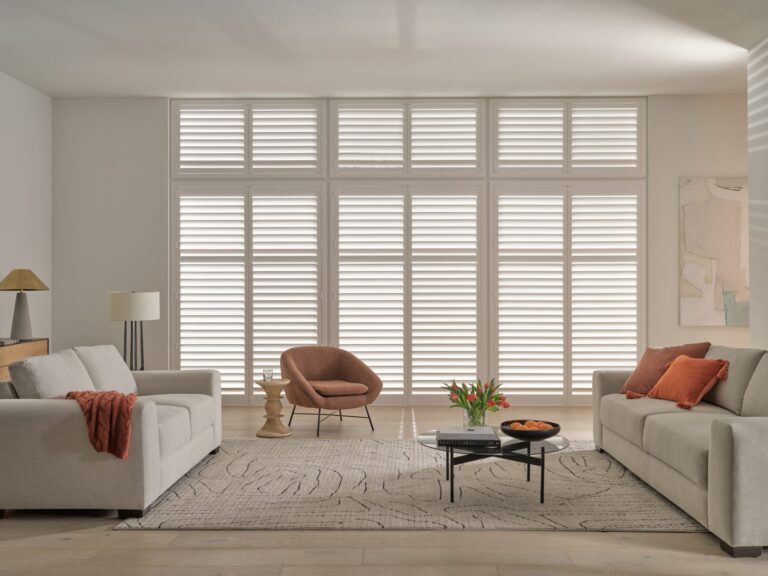
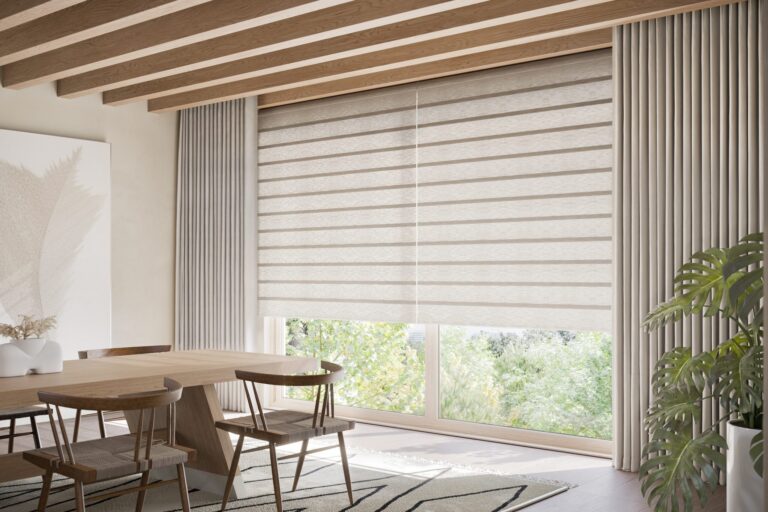
Double-cell honeycomb shades create an insulating air barrier that can reduce window heat transfer, making them particularly effective against cold winter winds along exposed northern glass. Open-concept floor plans common throughout Hyde Park London Ontario present distinct lighting demands, where main-floor living spaces require daytime glare reduction without losing ambient daylight. In these expansive layouts, dual shades combine alternating sheer and solid fabric bands to transition smoothly between diffused illumination and complete daytime privacy.
| Treatment Type | Light Management | Thermal Performance | Best Placement |
|---|---|---|---|
| Dual Transition Shades | Diffuses harsh glare while maintaining continuous outdoor visibility through alternating sheer bands. | Offers moderate defense against summer solar heat gain but limited barrier against winter drafts. | Open-concept main floors, dining spaces, and south-facing gathering rooms. |
| Blackout Roller Shades | Stops direct light transmission entirely when ordered with opaque fabric and fitted side channels. | Blocks direct radiant heat penetration from strong sun when fully lowered. | Primary bedrooms, nursery suites, and dedicated media rooms. |
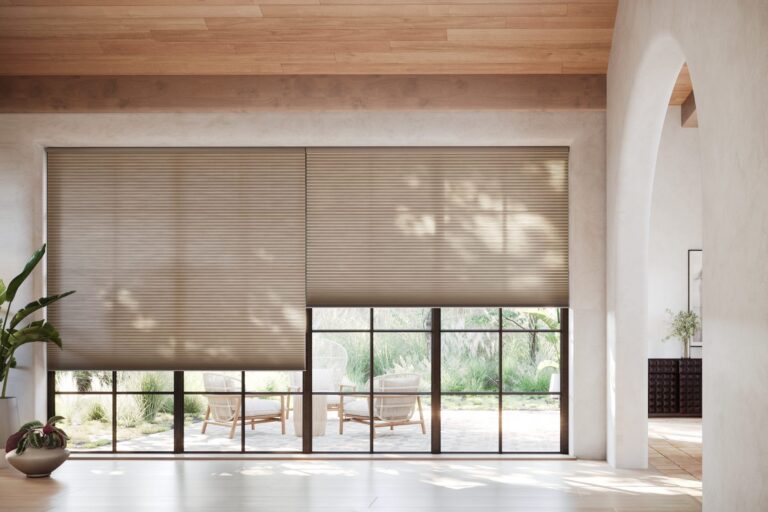
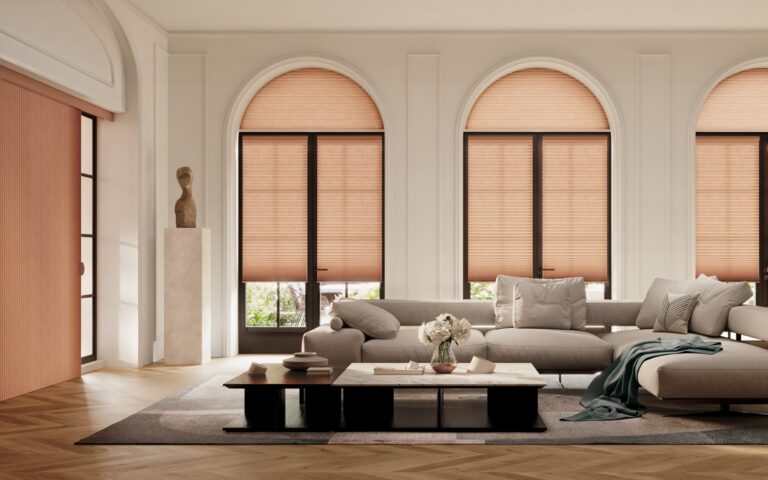
| Honeycomb Cellular Shades | Filters daylight softly while minimizing exterior view-through depending on selected opacity. | Traps interior air within engineered pockets to help slow conduction during sub-zero cold snaps. | North-facing casements, tall home office glass, and draft-prone winter exposures. |
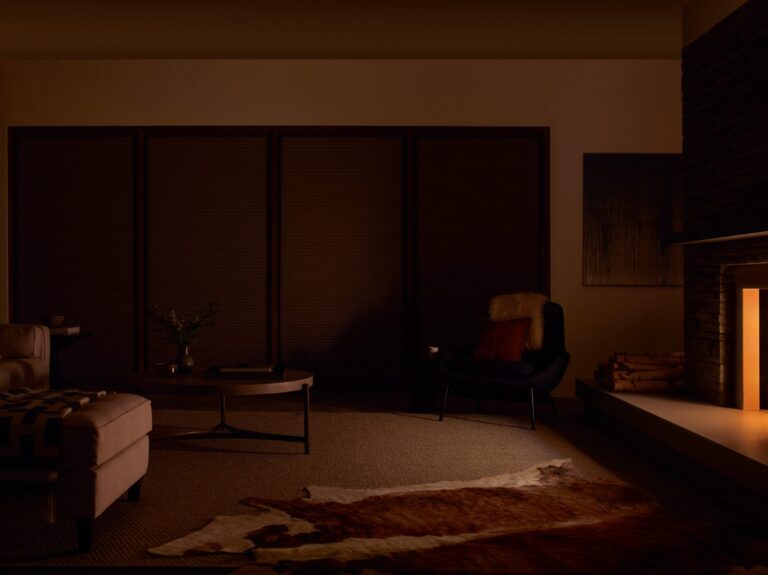
Bedrooms demand absolute darkness for sound sleep, making side-channeled blackout roller shades the standard recommendation over slotted horizontal blinds. When outfitting Blinds Ontario properties with tall second-storey openings, motorized systems running Hunter Douglas PowerView® Automation allow homeowners to adjust high glass with a handheld remote, smartphone app, or automated schedules. While manual cord-free spring mechanisms provide an economical, code-compliant child safety setup for standard reach, they become impractical on oversized transoms or windows set behind wide furniture.
Over our 25 years of experience outfitting modern homes here, we find that motorized upgrades add upfront investment and require periodic battery upkeep, making manual cordless systems the preferred choice for standard casements within easy arm’s reach. If you have deep window jambs, choose an inside mount to maximize the air pocket; if your window frames are shallow builder-grade vinyl, choose an outside mount to prevent light leakage around fabric edges. Homeowners balancing winter insulation against daily glare control often pair high-efficiency cellular shades in upstairs bedrooms with flexible light-filtering treatments across active ground-floor living areas.
Outfitting A Two-Storey Great Room Along Tokala Trail
Selecting window coverings for a home with young children requires balancing safety, style, and budget. Homeowners must decide between cordless, motorized, and wand-operated options while considering daily convenience, window orientation, and child-safe mechanisms for tall, west-facing glass.
Maya is renovating her Hyde Park, London home and is torn between cordless blinds and motorized shades. She admires the sleek look of motorized shades with PowerView® Automation but worries about the higher upfront cost, while cordless blinds are more budget-friendly yet lack the convenience. She asks herself, ‘Should I choose cordless blinds or motorized shades for my Hyde Park home to keep my toddlers safe without sacrificing style?’
Recommendation: Motorized Shades With PowerView® Automation
Custom Shades of London would recommend motorized shades with PowerView® Automation when child safety and daily convenience matter most, because they eliminate dangling cords and can be scheduled to adjust with the sun. Depending on budget and window orientation, this option may fit your Hyde Park home’s needs while offering a clean, modern look. For west-facing two-storey layouts in Fox Hollow, we often see afternoon solar glare drive excessive cooling loads, which is why pairing automated roller fabrics or top 10 window trends with scheduled scenes provides consistent solar protection. Homeowners comparing treatments like Hunter Douglas vs Alta styles can control upper-tier window banks without manual reaching, ensuring reliable coverage across high architectural transoms.
Our installation process accounts for the structural framing and deep casing requirements typical of newer builds near Hyde Park London Ontario, where inside mounts demand at least three inches of clear jamb depth. With over 25 years of field experience handling Hunter Douglas products, we fit dual roller assemblies using heavy-duty brackets to prevent deflection on wide expanses of glass. If you need specialized coverage for tall window walls, choosing automated dual rollers balances daytime glare reduction with evening privacy, and you can review our full range of services to address non-standard openings.
Custom Window Treatments Available For Local Residences
Standard builder casings in newer subdivisions require at least two inches of unobstructed depth for a flush inside mount, which directly determines your hardware options. Drawing on over 25 years of experience outfitting homes across London, we install custom motorized rollers, insulating honeycomb cells, and bespoke drapery configured around specific window depths. Operating from our local showroom at 1422 Fanshawe Park Rd W #3A, we provide professional installation and specialized repairs for Hunter Douglas products and other leading brands.
When selecting Blinds Ontario homeowners often weigh fabric opacity against hardware clearances, especially on tall great-room casements. If your window frame lacks the clearance for concealed rollers, choose custom drapery or low-profile cellular shades to maintain full privacy without mounting outside the trim. We recommend multi-cell shades or automated rollers whenever expansive south-facing glass requires consistent sun mitigation throughout the afternoon.
| Treatment Style | Functional Profile | Ideal Application |
|---|---|---|
| Motorized Roller Shades | Features quiet motorization with PowerView® Automation for scheduled light management. | Expansive open-concept living rooms and hard-to-reach two-storey transom windows. |
| Honeycomb Cellular Shades | Traps air within pleated pockets to resist winter drafts and summer heat transfer. | Bedrooms and home offices facing changing seasonal exposure. |
| Custom Drapery Panels | Adds tailored acoustic dampening and decorative framing to hard architectural lines. | Formal dining rooms, primary suites, or paired over low-profile shades. |
| Faux Wood Horizontal Blinds | Offers tiltable slats made of composite materials that resist humidity and steam. | Ensuite bathrooms, laundry spaces, and above kitchen sinks. |
Reviewing physical textiles and lifting systems in person simplifies these hardware choices before scheduling home visits. Homeowners in Hyde Park, London can test fabric opacities and verify motorized gear at our facility, situated nearby through the Hyde Park BIA commercial district. To assess whole-home styles and configurations, explore our options for window coverings or review our line of Hunter Douglas blinds to find tailored solutions for every room.
Recommended Blind Configurations For Suburban Neighborhoods
Street-facing windows in post-1993 subdivisions require at least two inches of clear jamb depth for flush inside mounts, especially when balancing daytime natural light against sidewalk visibility along busy corridors like Gainsborough Road. For townhomes and two-storey detached builds, pairing specialized operating systems with architectural openings prevents costly light gaps and bracket collisions. Selecting the right configurations of Blinds Ontario residents rely on involves evaluating window orientation, casing depth, and daily privacy needs room by room.
| Product | Best for | Budget | Reason |
|---|---|---|---|
| Hunter Douglas blinds | Street-facing main-floor living rooms | Quote; varies with window dimensions and material tier | Provides adjustable horizontal slat angles to deflect foot-traffic sightlines while preserving overhead daylight. |
| alta window Fashions Dual Shades | Subdivision townhomes with close property lines | Quote; varies with fabric opacity and motorization | Alternating sheer and solid fabric bands allow quick transitions between diffused daylight and full evening privacy. |
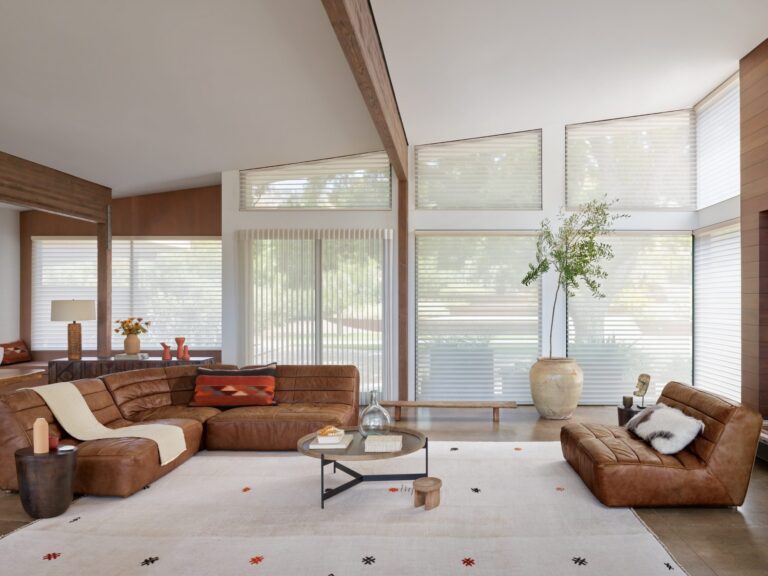
| how to Cover Patio Doors | Deep-sill rear sliding doors | Quote; varies with track width and stack configuration | Vertical cellular fabrics glide smoothly across wide spans without crowding high-traffic backyard doorways. |
| PowerView® Motorized Roller Shades | Upper-storey stairwells and vaulted bedroom transoms | Quote; varies with power source and automated controls | Automated scheduling adjusts high, hard-to-reach brackets seamlessly without dangling cords. |
When outfitting multi-level residences near Hyde Park London Ontario, we recommend cellular options for north-facing rear glass to mitigate winter thermal loss, while reserving dual-band shades for street-level exposures. Drawing on over 25 years of experience measuring custom openings across London, Custom Shades of London ensures bracket placements account for builder-grade vinyl cranks and shallow casing depths before final fabrication.
Scheduling An In-Home Measurement And Consultation
Precision sizing requires assessing casing depth down to an eighth of an inch, particularly on modern vinyl frames where shallow jambs dictate whether inside mounting is possible. With over 25 years of experience outfitting properties across London, Ontario, we review window mechanics on-site to ensure headrails clear crank handles and tilt latches without requiring bulky extension brackets. Setting up an on-site visit ensures accurate measurements and allows you to test fabric opacities directly against your interior lighting.
- On-site assessment: A technician measures the width and height across three distinct points per window opening while inspecting frame depth and casing trim.
- Material and control selection: You review physical fabric swatches, compare slat finishes, and test control options like PowerView® Automation or manual spring rollers in your home’s natural light.
- Transparent quoting: We provide a detailed itemized quote based on your exact specifications, including all hardware, brackets, and motorization accessories.
- Certified installation: Once manufactured, custom window coverings are securely anchored into structural framing, tested for level operation, and paired with any requested wireless remotes.
During consultations near Hyde Park London Ontario, we frequently check whether multi-storey townhomes or wide casement groupings require specialized mounting clearances before finalizing an order. Choosing dedicated services eliminates guesswork, while scheduling Custom Measures guarantees that heavy shades or motorized systems operate smoothly on deep or shallow window jambs alike. Homeowners investing in premium Blinds Ontario can visit Custom Shades of London at 1422 Fanshawe Park Rd W #3A, London, Ontario, N6G 0A4 or call (226) 605-5601 to book their measurement appointment.
FAQ
To help you choose the ideal window coverings for your home, the guide below addresses key considerations for selecting custom blinds in Hyde Park, London, Ontario. Browse these quick answers to learn more about fit, seasonal energy efficiency, and modern operating systems for local architectural styles.
| Question | Answer |
|---|---|
| Which window treatment works best for shallow builder-grade vinyl frames? | Builder-grade vinyl frames typically provide only 1.5 to 2.25 inches of jamb clearance before hitting crank handles or latches. If your window frames lack the depth needed for a flush inside mount, choosing an outside mount installed directly onto the surrounding trim prevents hardware interference and eliminates edge light gaps. Alternatively, low-profile honeycomb cellular shades can fit within narrower jamb depths while remaining fully functional. |
| How do honeycomb cellular shades compare to dual transition shades for seasonal temperature control? | Honeycomb shades feature engineered air pockets that trap indoor air, effectively slowing heat transfer along north-facing casements during sub-zero winter temperatures. Dual transition shades provide excellent daylight filtering and view adjustment through alternating fabric bands, but they offer minimal resistance against winter drafts. If winter heating efficiency is your primary objective, choose cellular shades over dual fabric configurations. |
| Can motorized shades with PowerView® Automation be installed on tall two-storey windows? | Yes, motorized systems running Hunter Douglas® PowerView® Automation are specifically engineered to manage tall upper-tier glass and transoms that cannot be reached by hand. They eliminate the hazards of manual cords while allowing you to control high elevations via scheduled app routines, remotes, or smart home integration. This setup also provides automated afternoon glare management for west-facing great rooms in neighbourhoods like Fox Hollow. |
| Should homeowners choose moisture-resistant synthetic fabrics over real wood blinds in northwest London? | During cold snaps, extreme indoor and outdoor temperature differences frequently cause condensation and pane moisture on London windows. Natural wood blinds can warp, crack, or stain when repeatedly exposed to sill moisture and cold drafts over time. If your windows regularly accumulate condensation in the winter, engineered faux wood or synthetic roller fabrics deliver significantly greater moisture resistance and durability. |