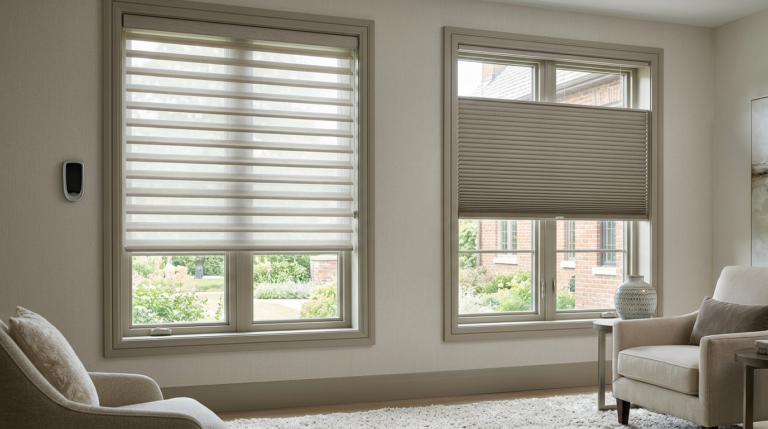
Navigating modern window covering options involves balancing aesthetic style with practical light control, daily privacy, and thermal efficiency for every room in your home. The specialists at Custom Shades of London guide homeowners through tailored solutions, from energy-saving cellular shades and classic shutters to versatile custom window coverings engineered for unique architectural dimensions. Selecting the ideal treatment ensures lasting durability and seamless operation while enhancing the comfort and value of your living space.
Overview
Selecting suitable window covering options requires balancing thermal efficiency, privacy, and architectural durability across distinct room layouts. The following sections outline functional styles, operating mechanisms, and seasonal performance factors for residential properties.
This guide includes a labeled real-world hypothetical that illustrates product selection under specific home renovation constraints. Jump directly to specific treatment categories using the links below:
- Core Categories: compare foundational styles and structural traits across modern home treatments.
- Fabric Shades: balance glare reduction and view preservation with daily privacy fabrics.
- Thermal Layers: mitigate seasonal heat transfer using insulating cellular shades.
- Patio Sliders: manage high-traffic thresholds with vertical patio coverings.
- Solid Construction: evaluate architectural framing and longevity with hybrid wood shutters.
- Real-World Example: review product selections and room constraints in a labeled renovation scenario.
Selecting window covering options begins with matching materials to the exact demands of each room, balancing solar control, privacy, and architectural style. Homes lose up to 30% of heating and cooling energy through bare glass, making high-performance soft shades, composite shutters, and horizontal blinds practical additions rather than decorative afterthoughts. The right design controls harsh direct glare while maintaining day-to-day comfort across living rooms, basements, and dining areas.
Window treatments divide into soft fabric systems and structured hard materials. Fabric builds like Provenance® Woven Wood Shades, Roman shades, and cellular shades introduce sound dampening and thermal protection, while wood blinds and NewStyle® Hybrid Shutters deliver durable slat control and moisture resistance. Comparing these constructions helps homeowners pick lasting installations that fit the specific orientation and layout of their spaces.
Comparing Primary Styles and Materials for Canadian Homes
Choosing between different window covering options requires balancing daytime privacy, sun management, and how well a product handles cold outdoor glass. Window treatments establish the visual character of a room while shaping daylight and introducing rich textures. Selecting the appropriate materials ensures daily operation remains smooth while guarding living areas against uncomfortable outdoor exposure.
Roller Shades provide neat architectural profiles that fit cleanly against modern trim. According to the Window Covering Manufacturers Association (WCMA), roller shades are manufactured in an expansive selection of textiles, colours, and surface weaves, with light control spanning from subtle sheer filters to complete room-darkening fabrics. These streamlined builds work exceptionally well over kitchen work surfaces and dedicated home offices where uncluttered operation matters.
For spaces where architectural depth and layered textiles take priority, tailored fabric designs bring unique benefits:
- Roman Shades: Installing Vignette® Roman shades creates elegant, uniform folds that add timeless depth to primary bedrooms and dining spaces.
- Fabric Drapery: Hanging tailored drapery panels introduces visual height, softens tall ceiling lines, and helps manage room acoustics. The U.S. Department of Energy indicates that draperies can reduce noise from outside traffic and interior hard surfaces.
- Sheer Shades: These floating fabric louvers soften harsh glare while bathing central living spaces in continuous, diffused daylight.
- Woven Wood Treatments: Featuring textured reeds and woods, these treatments introduce warm organic elements across traditional or transitional spaces, with optional privacy liners to block backlighting after dark.
- Vertical Systems: Covering broad patio doors and deck sliders requires horizontal traversal rather than vertical lifting. The U.S. Department of Energy points out that vertical blinds are appropriate for wide windows and sliding doors, allowing smooth side-to-side clearance without blocking outdoor access.
We work directly with London homeowners to pair each room with durable textiles and mounting systems that hold up against regional temperature swings throughout the year.
Fabric Shade Styles and Soft Window Coverings
Modern fabric treatments shape indoor ambiance, manage daylight exposure, and introduce tailored surface textures across living spaces. Choosing suitable fabric window covering options establishes balanced privacy and dependable glare management without sacrificing interior architecture.
Custom roller shades present minimalist profiles that work well in active kitchens and home workstations. According to the Window Covering Manufacturers Association (WCMA), roller shades are manufactured in a wide selection of textiles, colours, and weaves, spanning transparent sheers to total room-darkening opacities. When tailored as Hunter Douglas Designer Roller shades, they offer clean overhead roll-up clearance that preserves outdoor sightlines.
Tailored Roman shades introduce architectural folds and dimensional depth, making them a practical selection for formal dining spaces and quiet sleeping quarters. Proprietary styles like Vignette® modern Roman shades replace rear exposed lifting cords with smooth fabric contours for increased home safety and visual polish. Pair these structured textiles with tailored side draperies when sound dampening is a priority; the U.S. Department of Energy verifies that draperies can reduce noise levels inside the home.
For wide glass expanses and garden sliders, vertical track systems deliver steady side-to-side gliding that accommodates daily foot traffic. Supplementary fabric categories like woven woods incorporate tactile weave patterns, while sheer shading systems suspend fabric vanes between light-filtering panels to cast soft, diffused daylight across southern exposures.
Soft Treatments and Thermal Window Covering Options
Natural Resources Canada notes that cellular honeycomb shades trap air inside their cells to insulate against heat loss in cold months and reduce heat gain during summer. For bedrooms and living areas affected by drafty glass, installing Duette® Cellular Shades provides a thermal barrier while giving homeowners precise control over view-through and ambient light.
Fabric-based treatments introduce texture while solving specific room exposures. According to the Window Covering Manufacturers Association (WCMA), custom roller shades provide options across a spectrum from sheer visibility to full room-darkening blackout. Pairing these sleek rollers with floor-length drapery delivers another layer of comfort, as the U.S. Department of Energy confirms that draperies can reduce noise from outside street traffic.
For architectural dimension, Vignette® Modern Roman Shades incorporate tailored, uniform fabric folds that stack neatly above the casing. When treating wider expanses or sliding patio glass, the U.S. Department of Energy points out that vertical blinds remain appropriate for wide windows and sliding doors, making smooth lateral operation simple for daily backyard access.
Fabric Shades and Drapery for Everyday Light Control
Fabric-based treatments transform raw glass by softening incoming glare, balancing solar exposure, and introducing tactile depth to residential interiors. According to the Window Covering Manufacturers Association (WCMA), roller shades are manufactured in an extensive selection of fabrics, colours, and textures that span from sheer weaves to complete room darkening. This expansive range makes clean-profile roll-up systems an adaptable solution across busy kitchens, sunlit home offices, and living spaces.
For rooms that call for tailored structure and rich dimensional folds, roman shades deliver timeless character in dining areas and primary suites. Homeowners can also layer fabric treatments with traditional drapery panels to address acoustic concerns; the U.S. Department of Energy points out that draperies can reduce noise from outside traffic or neighbouring properties while adding graceful floor-to-ceiling visual height.
- Roller Systems: Modern low-profile cassettes that roll smoothly out of sight, offering precise daylight filtration or blackout screening.
- Soft Roman Folds: Dimensional pleating that stacks neatly overhead, bringing tailored fabric depth to formal rooms.
- Acoustic Drapery: Hanging side panels and traversing curtains that dampen ambient echo and diffuse direct side-lighting.
- Woven Textures: Woven materials that introduce rich artisanal patterns to casual dens and morning rooms.
On expansive patio entrances and sliding glass expanses, selecting the proper track configuration prevents everyday operational headaches. The U.S. Department of Energy notes that vertical window coverings are appropriate for wide windows and sliding doors, ensuring straightforward side-draw clearance when walking between indoor living zones and outdoor deck spaces.
Soft Window Treatments and Fabric Styles for Every Room
Glass surfaces require more than basic concealment. The materials placed over them influence interior warmth, soften reflections, and establish how daylight filters into a room throughout the day. Fabric treatments, frequently grouped as soft window coverings, supply tailored texture alongside precise light filtering.
According to the Window Covering Manufacturers Association (WCMA), roller shades come in a wide variety of fabrics, colours, and textures, ranging from sheer to blackout opacities. This flexibility makes minimalist roller profiles practical for high-utility zones like kitchens and home offices where wipeable materials and unobstructed window sills take priority.
For spaces requiring visual softness and dimensional folds, Roman shades create structured pleats that stack neatly when raised, making them a balanced choice for formal dining areas and bedrooms. In settings with expansive glass, the U.S. Department of Energy states that vertical blinds are appropriate for wide windows and sliding doors, where smooth lateral movement keeps patio access unobstructed.
Soft window covering choices fit specific room conditions across distinct product profiles:
- Drapery Panels: Full-length fabric treatments frame casing moldings, introduce height, and satisfy the U.S. Department of Energy finding that draperies can reduce noise from outside streets or busy family rooms.
- Woven Wood Designs: Crafted textures bring dimension into open spaces, while rear privacy liners prevent street-level silhouettes during evening hours.
- Sheer Fabrics: Diffused light materials allow natural daylight to illuminate interiors while softening midday sun glare on television and computer screens.
- Dual Shade Systems: Layered panels combine transparent screening with opaque bands on a single headrail for adaptable daytime view-through and evening privacy.
At Custom Shades of London, we measure every window opening on-site to verify proper bracket clearances and recommend fabric densities that balance natural illumination with dependable privacy.
Fabric Window Treatments for Texture and Light Management
Selecting custom window coverings involves balancing light diffusion, insulation, and room architecture. According to the Window Covering Manufacturers Association (WCMA), roller shades are manufactured in a wide selection of fabrics, colours, and textures that span from transparent sheers to complete room-darkening opacities. This range allows homeowners to maintain clean lines in work areas or kitchens while filtering direct sun exposure.
For spaces requiring tailored dimension, roman shades introduce structured horizontal fabric folds that soften dining rooms and primary suites. Homeowners looking to soften acoustic reverberation can integrate layered draperies, as the U.S. Department of Energy notes that fabric draperies can reduce ambient noise levels within residential interiors.
Large glazing expanses require distinct mechanical considerations. As documented by energy.gov, vertical window coverings are appropriate for wide windows and sliding doors, moving side to side along a tracked headrail without crowding floor clearance. Custom Shades of London installs these fabric treatments alongside natural woven textures to match individual privacy requirements across different living zones.
FAQ
Choosing the right window covering options involves balancing everyday light control, insulation, and style for every room in your home. The table below addresses common questions to help you narrow down the best choices for your windows and patio doors.
| Question | Answer |
|---|---|
| Which window covering options work best for winter insulation in London, Ontario? | Cellular honeycomb shades provide the highest thermal resistance due to their interior air pockets that trap cold drafts. If your home experiences noticeable heat loss around large patio glass, adding lined drapery over your shades creates an extra thermal barrier. This dual-layer approach effectively prevents winter chill from cooling your living areas. |
| How do soft treatments differ from hard window coverings for daily light control? | Hard treatments like wood blinds and composite shutters feature adjustable louvers that tilt to deflect direct glare while keeping daytime natural light. Soft window covering options like Roman shades and roller fabrics move upward or downward across the frame, offering whole-window diffusion or total blackout depending on your fabric opacity selection. |
| Should patio doors be fitted with vertical styles or horizontal shades? | Vertical options like track-mounted vanes or side-draw sliding panels match the natural horizontal movement of sliding patio doors. If you install horizontal roller or cellular shades on wide doors, raising the entire unit each time someone steps outside can become inconvenient. Vertical styles allow you to open just one side for quick backyard access. |
| Can room-darkening roller shades reduce outdoor street noise? | Standard roller fabrics block incoming light effectively, but their thin profiles offer little sound dampening. If street traffic along busy London roadways is a concern, pairing your roller shade with thick fabric draperies provides noticeable sound absorption. Heavy, porous drapery weaves trap echoing sound waves before they enter the room. |