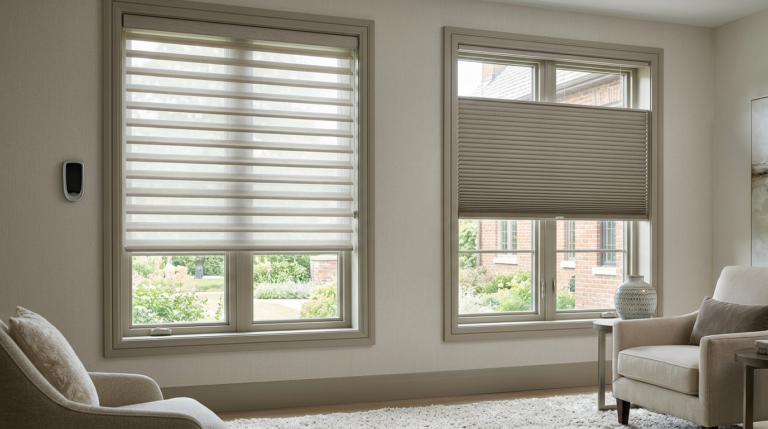
Achieving total personal seclusion in intimate living spaces requires specialized window treatments that effectively balance natural daylight, room darkening, and environmental durability. Investing in tailored bathroom window treatments engineered with moisture-resistant materials protects against steam damage while blocking street-level sightlines entirely. Custom Shades of London provides customized bedroom and bathroom privacy solutions, including motorized schedules and dual-opacity fabrics, to ensure every space remains discreet and effortlessly functional.
Overview
Selecting window treatments for personal living zones requires balancing daylight with dependable sightline barriers. Homeowners often weigh questions like “which bathroom materials resist mildew?” or “how can street-facing bedrooms block foot traffic views without losing sunlight?” to choose appropriate hardware. This review outlines how specific fabrics and mechanics solve these challenges across high-humidity washrooms and quiet sleeping areas.
A labeled real-world hypothetical later demonstrates how thoughtful window treatment choices address street visibility in a local bungalow renovation, supported by practical installation recommendations.
- Moisture Protection: Synthetic blinds and wipeable surfaces prevent warping caused by steam, as outlined in moisture-resistant materials.
- Light Exclusion: Fitted side channels and opaque textiles create restful spaces detailed under room-darkening options.
- Directional Lighting: Adjustable rails let daylight enter overhead while screening sightlines via top-down bottom-up shades.
- Daytime Diffusion: Layered vanes offer flexible visibility angles described in dual shades.
- Real-World Example: A street-facing layout shows practical sightline prevention in our London bungalow privacy upgrade.
- Smart Automation: Timed adjustments maintain seamless boundaries through motorized controls.
Selecting effective bedroom and bathroom privacy solutions requires balancing exterior sightline control with specific lighting and thermal demands. According to the Sleep Foundation, maintaining a dark room supports continuous sleep, making opaque treatments practical barriers against headlights and early summer sunrise. In damp washrooms, however, morning routines demand soft, diffused illumination without exposing the interior to neighbouring homes. The U.S. Department of Energy reports that properly installed window coverings help reduce winter heat loss and summer heat gain, providing measurable thermal resistance against seasonal temperature swings in southwestern Ontario.
Hunter Douglas fabric opacities range from sheer textiles that scatter daylight to blackout weaves that stop light transmission completely. Integrating adjustable window treatments, such as top-down bottom-up shadings or moisture-resistant composite shutters, enables precise light management across street-facing spaces and humid quarters. Custom Shades of London evaluates window casing depths and room orientations across London, Ontario, outfitting homes with tailored window coverings that secure personal spaces and improve indoor climate regulation year-round.
Moisture Resistance and Glare Control for High-Humidity Spaces
Bathroom window coverings encounter environmental demands that differ sharply from sleeping quarters, primarily because daily steam and water exposure dictate fabric performance. While sleeping areas prioritize dimming external streetlamps, washrooms require treatments that scatter incoming morning light without creating clear sightlines from adjacent properties. Selecting synthetic textiles engineered for damp spaces prevents moisture retention while preserving reliable daytime concealment.
A primary contrast across bedroom and bathroom privacy solutions centers on how materials react to air conditions and illumination schedules:
| Space Requirement | Primary Function | Material Consideration |
|---|---|---|
| Sleeping Chambers | Block external streetlamps and reduce seasonal heat transfer | Opaque blackout fabrics or cellular weaves |
| Ensuite and Powder Rooms | Admit filtered morning glow while obstructing direct views | Water-resistant synthetic rollers or moisture-tolerant composite louvers |
| Street-Facing Panes | Flexible split-level coverage | Top-down bottom-up adjustments to expose only upper glass |
To balance ambient brightness with complete shielding during daily grooming, many property owners combine light-filtering cellular shades with versatile top-down mechanisms. Lowering the top portion of the shade welcomes daylight from above while keeping the bottom section secured against exterior sightlines. We also integrate custom valances or cornices to frame the casing neatly, hiding top mounting hardware and minimizing marginal light gaps along upper window trims.
Light Filtering and Blackout Opacities for Personal Spaces
Tailoring bedroom window coverings involves balancing nocturnal seclusion against seasonal climate demands. Sleep research consistently links dark environments to deeper rest by preventing exterior streetlamps and vehicle headlights from intruding through the glass. In colder southwestern Ontario conditions, proper window installations also limit thermal transfer, buffering glass panes against cold air drafts during sub-zero stretches.
Window treatments serve a contrasting operational purpose inside a bathroom window installation, where daytime activities require illumination without exposing private spaces to adjacent properties. Hunter Douglas designs span a full spectrum of fabric opacities, ranging from translucent sheer textiles that disperse incoming glare to dense, fully opaque blackout builds. When a layout requires illumination alongside reliable masking, cellular shades configured with split adjustments let you raise the lower fabric tier for sightline protection while admitting direct ambient skylight from the top.
Window architectural details dictate how effective these bedroom and bathroom privacy solutions perform in real rooms. Installing tailored overhead cornices above shade casings frames the opening cleanly, concealing upper mounting mechanisms while stopping light halo leaks along the perimeter headrail.
Flexible Light and View Management with Top-Down Bottom-Up Configurations
Installing versatile Top-Down/Bottom-Up window coverings allows you to lower the upper section of a shade to draw in natural overhead daylight while keeping the bottom half raised to block street-level sightlines. In older London neighborhoods like Old South, mid-century bungalows and two-story houses frequently feature street-facing glass where standard bottom-up shades force an unwanted choice between total darkness and complete exposure. Operating a shade that moves from both directions solves that conflict, maintaining indoor seclusion from pedestrians while illuminating the room.
Window placement dictates distinct performance demands across different rooms, making balanced bedroom and bathroom privacy solutions necessary for daily living. In sleeping quarters, the priority centers on blocking exterior streetlamps and buffering drafty panes during cold southwestern Ontario winters. The Sleep Foundation points out that sleeping in a dark environment supports falling asleep and resting through the night, while data from the U.S. Department of Energy shows that properly fitted window attachments lower indoor heat loss during winter freezes and limit heat gain during summer months.
Tailoring Opacity and Room Conditions
Fabric opacity determines how effectively a treatment satisfies day and night requirements:
- Light-Filtering Cellular Textiles: Translucent honeycombs gently scatter incoming sunlight during morning routines while hiding interior silhouettes from close-set neighboring properties.
- Room-Darkening and Blackout Fabrics: Opaque weaves stop bright exterior light, shielding bedroom occupants from early sunrise rays and evening automotive headlights.
- Moisture-Resistant Synthetic Materials: Durable polymers and treated polyesters withstand the humidity swings common in bathrooms without warping or losing structural tension.
Architectural accents further refine your installation. Adding a custom cornice above the window trim conceals mounting brackets and blocks light leakage that often escapes past the top of the headrail, producing a clean border around the casing.
Light Filtering Fabric Systems and Architectural Light Blocking
Balancing incoming daylight with street-level shielding demands distinct fabric choices across private living spaces. For sleeping quarters, research from the Sleep Foundation confirms that eliminating exterior light exposure promotes continuous, restorative rest. Pairing opaque blackout fabrics with dedicated side channels blocks nocturnal glare from streetlamps and passing traffic. In contrast, outfitting a bathroom window requires diffused daylight during morning hours while fully obstructing sightlines from neighboring residences. Our installers address this daily schedule by recommending translucent fabrics that scatter natural sunlight without casting revealing shadows indoors.
Thermal performance also plays a central role in southwestern Ontario homes. Data from the U.S. Department of Energy indicates that insulated window coverings noticeably diminish winter heat loss and summer heat gain, helping stabilize indoor temperatures during regional cold spells. Upgrading a primary suite with Duolite® dual-opacity systems merges an insulating light-filtering layer with an independent blackout shade on a single headrail, giving homeowners full command over ambient illumination and room temperature.
Architectural casings frequently dictate the success of bedroom and bathroom privacy solutions. Windows mounted with shallow jambs often experience light halos around the edges of the frame. Installing custom top cornices or decorative valances conceals hardware brackets, finishes the casing aesthetic, and eliminates peripheral light leaks along the top header. When delicate daytime glare reduction is preferred over total room darkness, integrating Hunter Douglas Sheer Shades with adjustable internal vanes allows soft illumination to brighten personal spaces while preserving complete seclusion from the street.
Light Filtering and Room Darkening Strategies for Street Facing Windows
Street-facing glass presents distinct challenges depending on the space you furnish. Sleeping quarters demand total seclusion from municipal lighting and seasonal drafts, while private wash spaces need sunlit clarity without exposing personal routines to adjacent properties. Navigating these requirements means tailoring opacity and mounting depth to the unique function of each room.
Restful Sleep and Draft Reduction in Bedrooms
Research published by the Sleep Foundation shows that resting in an environment free of ambient illumination directly supports sustained sleep cycles. Bright street lamps, car headlights, and early morning glare disrupt rest, which makes light-blocking materials an effective barrier. Outside glass also acts as a primary source of temperature loss during sub-zero southwestern Ontario winter nights. According to the U.S. Department of Energy, installing fitted insulating window coverings helps restrict thermal loss during cold snaps and curbs solar heat gain during hot summers, taking pressure off household heating and cooling units.
For rooms exposed directly to sidewalk foot traffic or vehicle glow, adding precision hardware upgrades like LightLock® side channels prevents perimeter light leaks by securing fabric edges tightly against the window jamb. Pairing primary shades with custom cornices or top valances further conceals mounting headrails and eliminates halo leakage along upper moldings.
Balanced Daylight and Discretion in Bathrooms
Selecting window treatments for a bathroom introduces a contrasting set of daylight requirements. Morning preparations require usable natural brightness, yet lower panes must remain shielded from nearby two-story sightlines. Hunter Douglas manufactures fabrics spanning sheer sunlight-scattering weaves to fully opaque textiles to address these exact exposure levels.
When you want to maintain daylight without sacrificing discretion, installing cellular shades with a top-down bottom-up system lets you lower the fabric from the headrail to illuminate the ceiling while keeping the lower sash covered. Combining these versatile profiles with decorative exterior frames ensures that your bedroom and bathroom privacy solutions provide both practical coverage and dependable performance across fluctuating seasonal conditions.
Balancing Light Filtering and Complete Seclusion by Room
Selecting effective bedroom and bathroom privacy solutions requires matching opacity to the distinct schedules of each space. In sleeping quarters, nighttime darkness directly impacts rest, making blackout textiles or specialized window coverings practical for blocking intense outdoor streetlights. Data from the Sleep Foundation confirms that resting in an environment free of intrusive glare supports falling and staying asleep. Thermal performance is another key factor for local homes, as the U.S. Department of Energy notes that properly fitted window coverings limit winter draft heat loss and summer heat gain during severe seasonal shifts in southwestern Ontario.
Cellular shades with dense weaves or foil barriers deliver strong insulation alongside full opaque shielding. For complete coverage, modern systems like LightLock® use U-shaped side channels along the jamb to seal marginal gaps, stopping light halos from waking light sleepers.
Bathrooms follow an entirely different daily rhythm. Morning routines demand soft daylight for grooming while entirely obstructing sightlines from adjacent houses. Hunter Douglas fabric lines offer varied opacities, spanning from translucent sheer textiles that diffuse harsh rays to completely non-sheer materials. Using light-filtering honeycomb fabrics or flexible Top-Down/Bottom-Up mechanisms allows you to lower the top rail to bring in sky views while shielding the lower pane at eye level.
Architectural finishing pieces complete these installations. Adding custom cornices or upholstered valances frames the window opening, concealing overhead hardware and closing off upper light leaks for a crisp, tailored aesthetic.
FAQ
To help you choose the right bedroom and bathroom privacy solutions for your home, the quick guide below addresses common questions about light control, moisture resistance, and window covering performance.
| Question | Answer |
|---|---|
| Which window coverings stop indoor shadows from showing outside at night? | Blackout roller shades and opaque cellular shades provide complete privacy by preventing indoor silhouettes after dark. Standard light-filtering weaves let soft daylight in, but interior lighting can cast visible outlines against the glass at night. If complete nighttime discretion is your priority, choose room-darkening fabrics or add side channels to seal window frame gaps in London, Ontario homes. |
| Can motorized privacy shades operate reliably inside humid ensuite bathrooms? | Motorized shades equipped with water-resistant casings and synthetic fabrics handle steam and bathroom humidity without performance issues. Options like vinyl roller shades paired with sealed battery wands resist moisture buildup around shower areas. If you install automated coverings in high-humidity zones, choose synthetic hardware designed to prevent corrosion. |
| How do plantation shutters perform compared to roller shades for street-level bathroom privacy? | Composite plantation shutters allow precise angle adjustments to block street-level sightlines while keeping upper slats open for sky views. Roller shades require lowering the entire panel to secure full seclusion, which reduces daytime light unless paired with dual rollers. For high-traffic ground-floor windows in London, Ontario, louvred composite shutters offer flexible light control without fabric wear. |
| What makes dual-roller shades practical for primary bedrooms? | Dual-roller systems mount two independent fabrics on a single bracket, pairing a solar screen for daytime glare control with an opaque blackout shade for nighttime sleep. This configuration gives homeowners flexible control over daylight without leaving glass panes exposed to neighbouring homes. If your bedroom windows face direct morning sun and nearby properties, this combination delivers both daylight diffusion and complete overnight privacy. |