
Motorized window treatments can make everyday light control, privacy and comfort easier, but choosing the right automation involves more than deciding you want your shades to move at the touch of a button. You’ll also want to think about which windows to automate, how you want to control your shades, how they’ll be powered and whether you want them to work with other smart technology in your home.
If you’re considering motorized window treatments for your Ontario home, these are some of the most important decisions to make before choosing your shades.
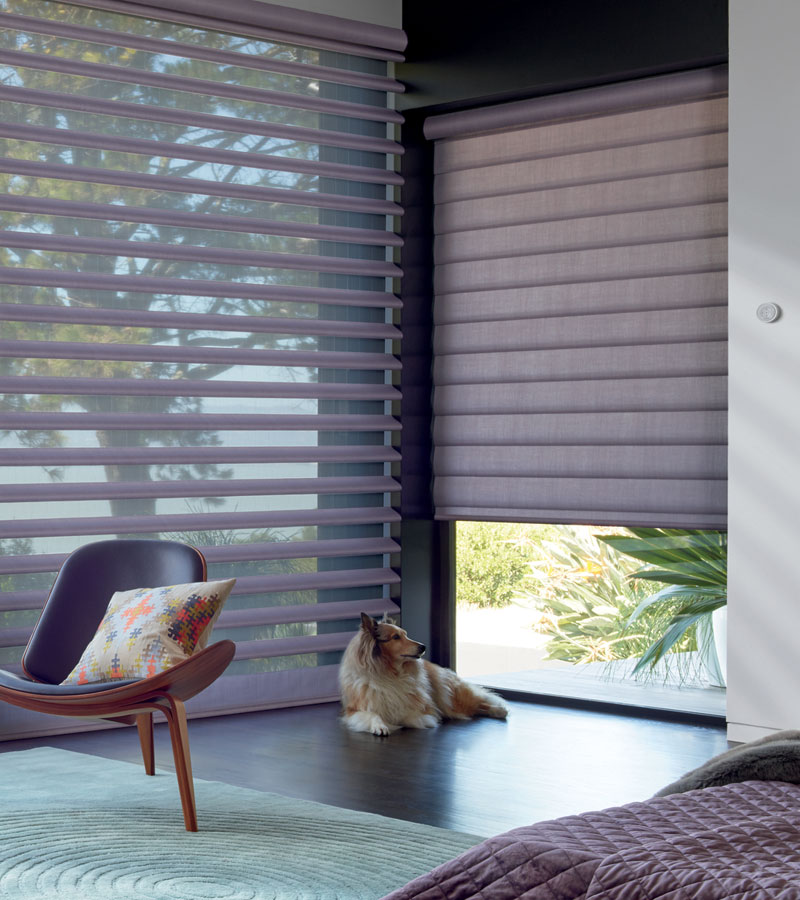
Pirouette® Shades
What Do You Want Your Motorized Shades to Do?
Start with what you want automation to accomplish. For some homeowners, the biggest benefit is convenience. For others, it’s being able to control shades on tall or hard-to-reach windows. Automation can also help you manage changing sunlight, privacy and comfort throughout the day without manually adjusting every window covering.
Consider when you currently adjust your shades. Do you open them every morning? Lower west-facing shades when afternoon sunlight becomes intense? Close bedroom shades every evening for privacy? Automation can turn many of these repetitive adjustments into scheduled routines.
You may want motorized shades to:
- Adjust hard-to-reach windows more easily
- Control several shades at the same time
- Automatically respond to your daily schedule
- Manage privacy at different times of day
- Reduce glare and intense sunlight
- Help manage heat gain and energy efficiency
- Integrate window coverings with compatible smart home technology
Knowing which of these features matters most can help guide the rest of your decisions.
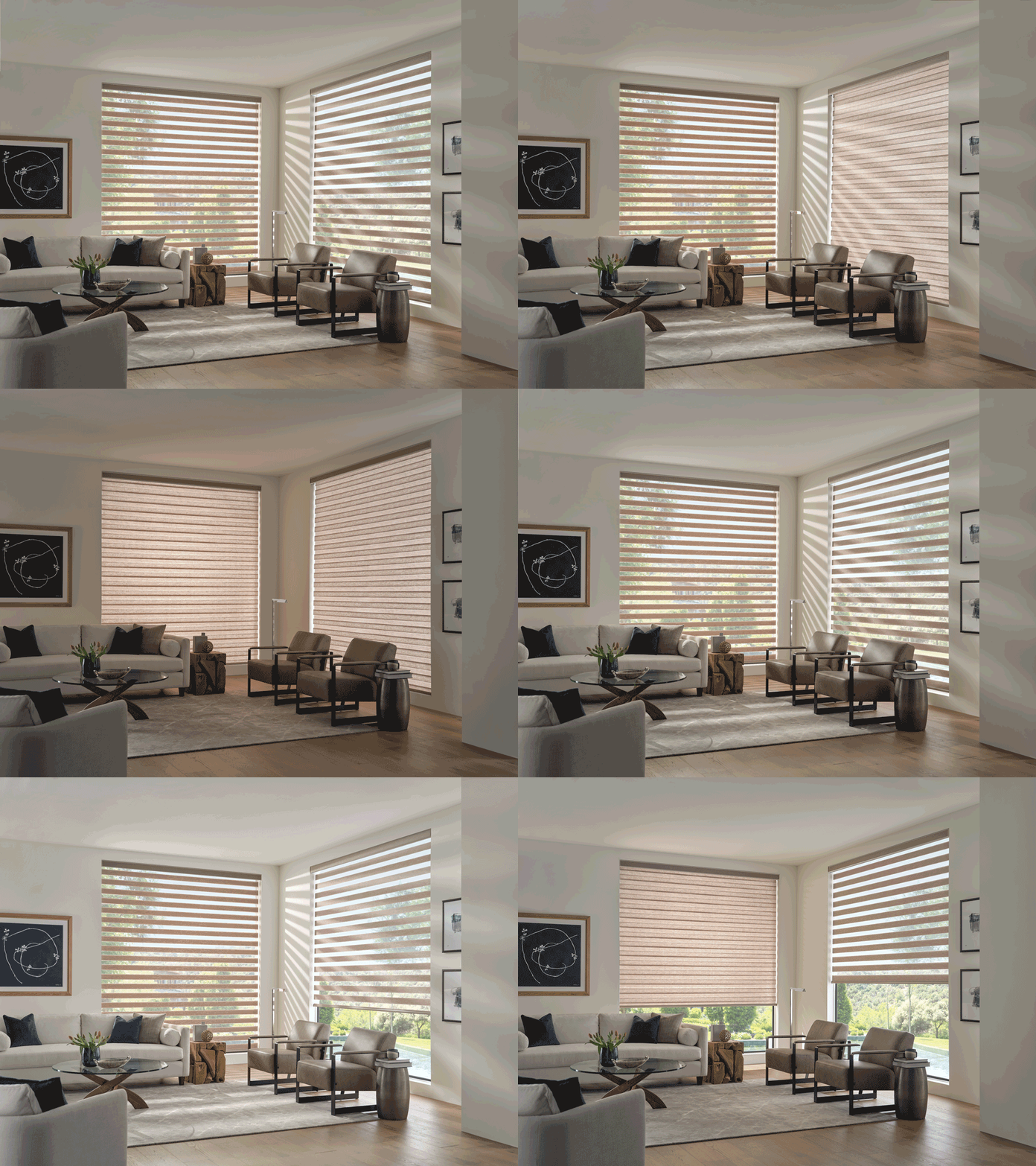
Motorized Shades Adjust on Schedule
Which Window Treatments Can Be Motorized?
Automation isn’t limited to one style of window covering. Many Hunter Douglas shades and other window treatments can be paired with PowerView® Automation, allowing you to choose a window treatment based on the design, privacy and light-control needs of the room rather than choosing a style simply because you want motorization.
That means one room might call for cellular shades for insulation, while another may benefit from sheer shades that provide flexible light control. Motorized roller shades can provide a particularly streamlined option for everyday windows and large expanses of glass.
Not every operating system or configuration is available with every window treatment, so it’s helpful to discuss automation at the beginning of the design process rather than selecting a shade first and adding motorization as an afterthought.
How Do You Want to Control Your Shades?
Even with advanced technology, automated shades should feel natural and easy to use. PowerView® Automation offers different ways to control compatible window treatments, so you can choose the method that works best for your household.
Depending on your system, control options may include:
- Handheld remote control
- Wall-mounted control
- Smartphone app
- Voice control through compatible smart home systems
- Scheduled operation
You don’t necessarily have to choose only one. Different members of your household may prefer different ways of operating the same shades.
Remote Control
A remote provides straightforward control without requiring a phone or smart home system. This can be useful when you simply want to open, close or adjust shades from elsewhere in the room.
App Control & Schedules
App control gives you additional flexibility to manage compatible shades and create routines around the way you use your home. You can create schedules so shades adjust at selected times rather than relying on someone to remember to move them manually.
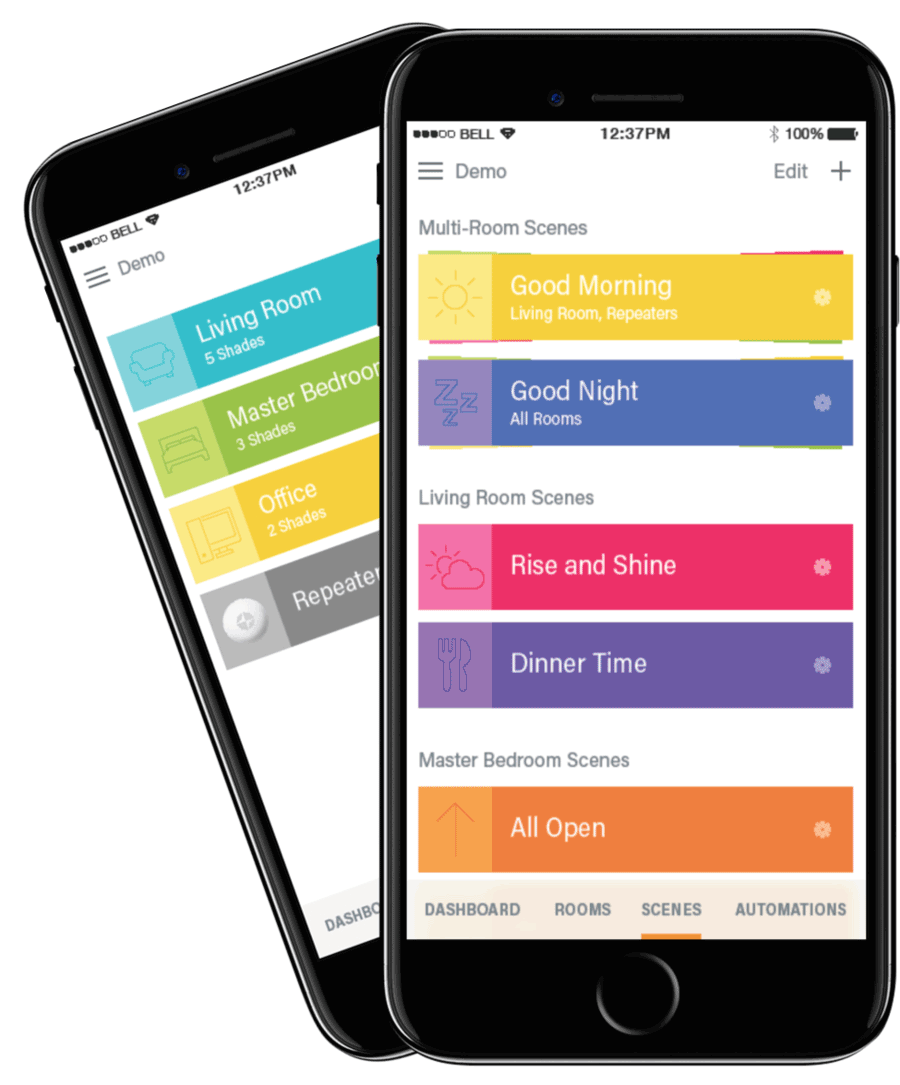
For example, shades can be scheduled to provide privacy in the evening or adjust as sunlight changes throughout the day. This can also help manage comfort by limiting unwanted solar heat during warmer weather or taking advantage of sunlight when it’s beneficial.
Does Smart Home Compatibility Matter?
If you already use smart technology in your home—or plan to in the future—consider integration before selecting your automation system. Compatible smart home connections may allow window shades to become part of a larger connected-home routine rather than operating as an isolated feature.
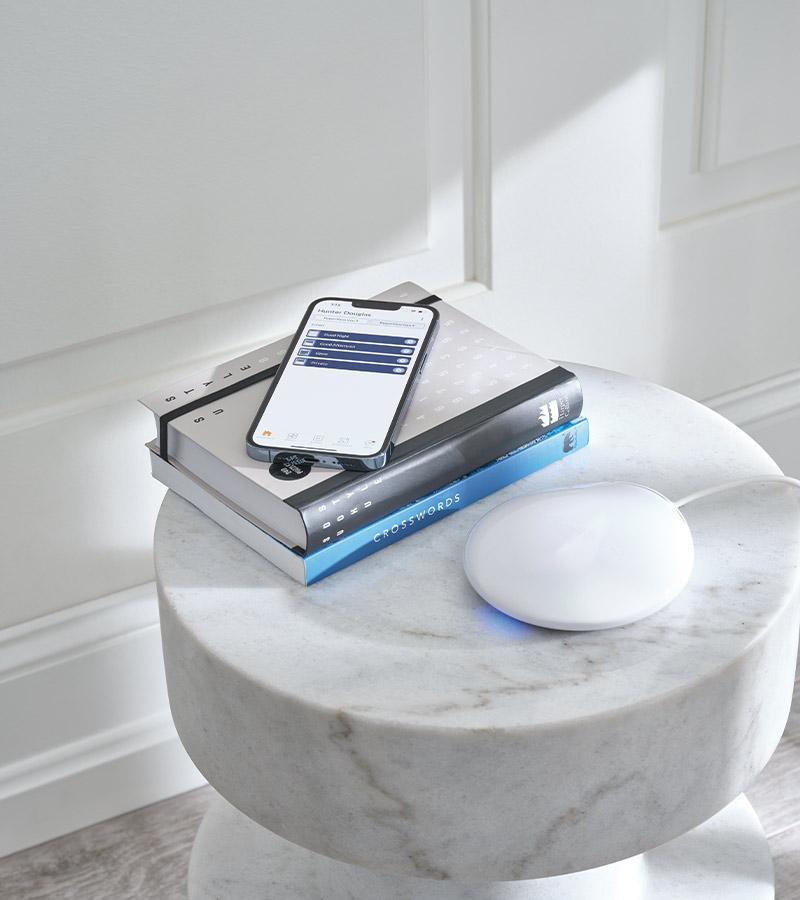
Powerview® Smartphone App and Gateway for Smart Home Integration
Think about whether you want to use voice commands, incorporate shades into existing routines or control several elements of your home together. Your window treatment specialist can help you understand which integrations are available and what additional equipment may be required for the way you want to use your shades.
How Will Your Motorized Shades Be Powered?
Power is another important decision when planning window shade automation. Depending on the window treatment and application, motorized shades may use battery power, a rechargeable battery system or hardwired power. For compatible rechargeable systems, solar charging may also help maintain the battery using sunlight at the window.
Rechargeable power can provide flexibility in existing homes where running new electrical wiring may not be practical. Hardwiring may be worth considering when automation is being planned during new construction or a major renovation.
Because power requirements can vary based on the shade and installation, this is a decision worth making early—particularly for large or difficult-to-reach windows. For a closer look at the differences, read our guide to rechargeable batteries, solar charging and power options for motorized shades.
Which Windows Benefit Most from Automation?
You don’t necessarily need to motorize every window in your home. One of the most useful ways to plan automation is to identify the windows where it will make the biggest difference.
Consider motorization for:
- Tall or hard-to-reach windows
- Large windows or groups of windows
- Windows that are adjusted several times throughout the day
- Windows exposed to intense or changing sunlight
- Bedrooms where scheduled privacy or room darkening is important
- Rooms where several shades need to move together
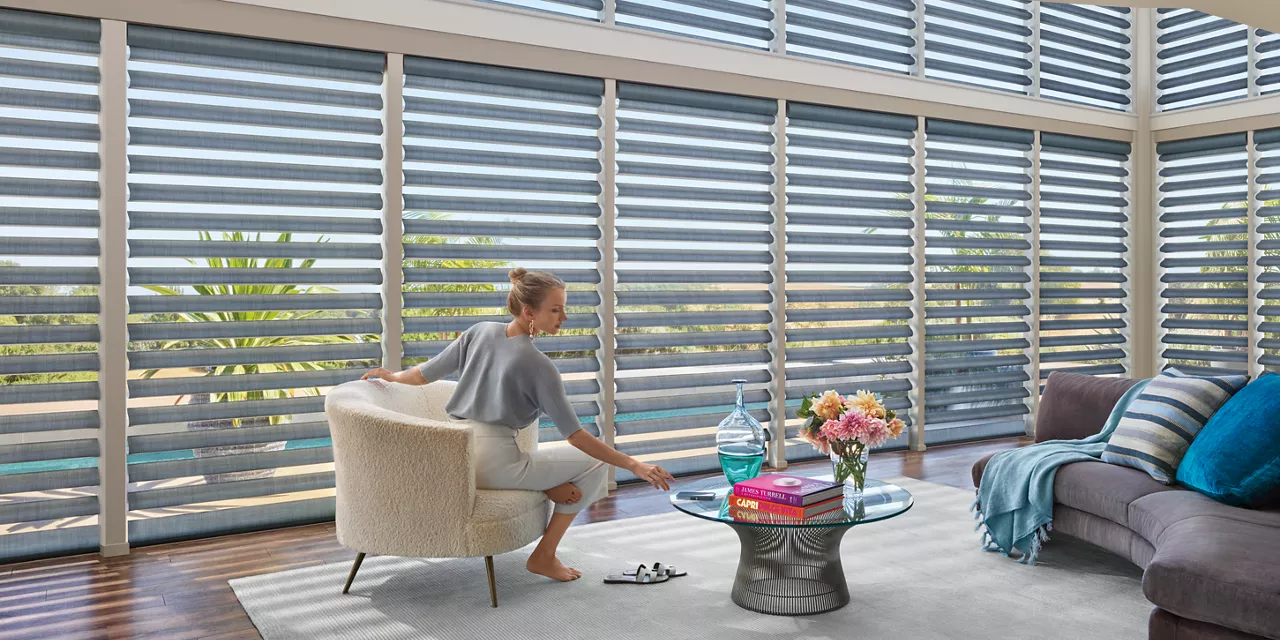
Pirouette® Shades
Automation can be especially helpful when a window is difficult to access manually. Shades placed high on upper windows, for example, become much more practical when you can adjust them remotely or include them in an automated schedule.
If you’re planning treatments for expansive glass, explore our recommendations for window treatments for large windows.
How Important Is Quiet Operation?
Motorized shades are designed to make your home more comfortable, so how they sound when operating can matter—particularly in bedrooms, living spaces and other quiet areas.
Hunter Douglas motorized window treatments are engineered for smooth operation, but it’s still worth experiencing automation firsthand when possible. The size and style of the window treatment can influence the overall experience, and seeing and hearing shades operate can help you understand what to expect in your own home.
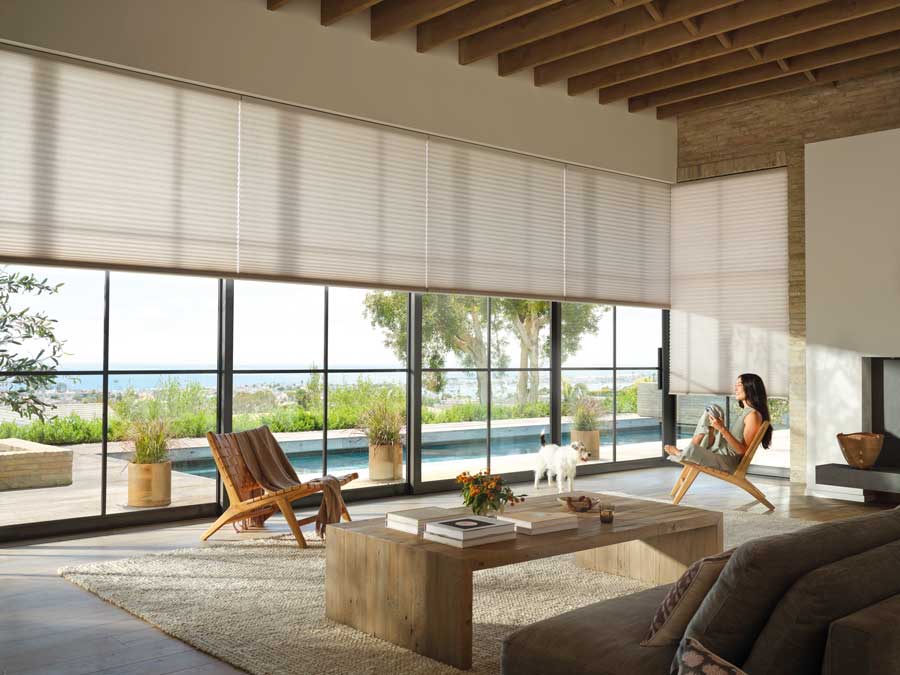
Duette® Honeycomb Shades
We invite you to visit one of our showrooms to experience motorized window treatments in operation before making your decision.
Why Does Professional Installation Matter?
Motorized window treatments combine a custom window covering with technology, which makes accurate measuring, installation and setup especially important. Hunter Douglas PowerView® shades are customized to your windows and may require consideration of power sources, programming and compatible connected-home equipment.
Professional installation helps ensure the shades are properly fitted, installed and programmed. Once installation is complete, we’ll also walk you through the controls so you understand how to operate your new window treatments and use the features you’ve selected.
Questions to Ask During Your Consultation
You don’t need to understand every piece of automation technology before your design consultation. Instead, come prepared to talk about how you use your windows and what you want automation to accomplish.
Helpful questions to discuss include:
- Which window treatments offer motorization for my windows?
- Which windows would benefit most from automation?
- Should I choose rechargeable battery power or consider hardwiring?
- Can solar charging be used with the rechargeable system I’m considering?
- How will I control the shades?
- Can the shades operate on a schedule?
- Will the system work with my existing smart home technology?
- What equipment will I need for the features I want?
- What maintenance or charging should I expect?
Ready to Plan Your Motorized Window Treatments?
The best window shade automation system isn’t necessarily the one with the most technology. It’s the one that makes your windows easier to live with. The right combination of window treatment, controls, power and automation features should fit naturally into the way you use your home.
At Custom Shades of London, we’ll help you compare your options and determine which features make sense for your windows and lifestyle. Explore our motorized window treatment solutions or schedule a free consultation to start planning PowerView® Automation for your Ontario home.